GUEST INFORMATION:
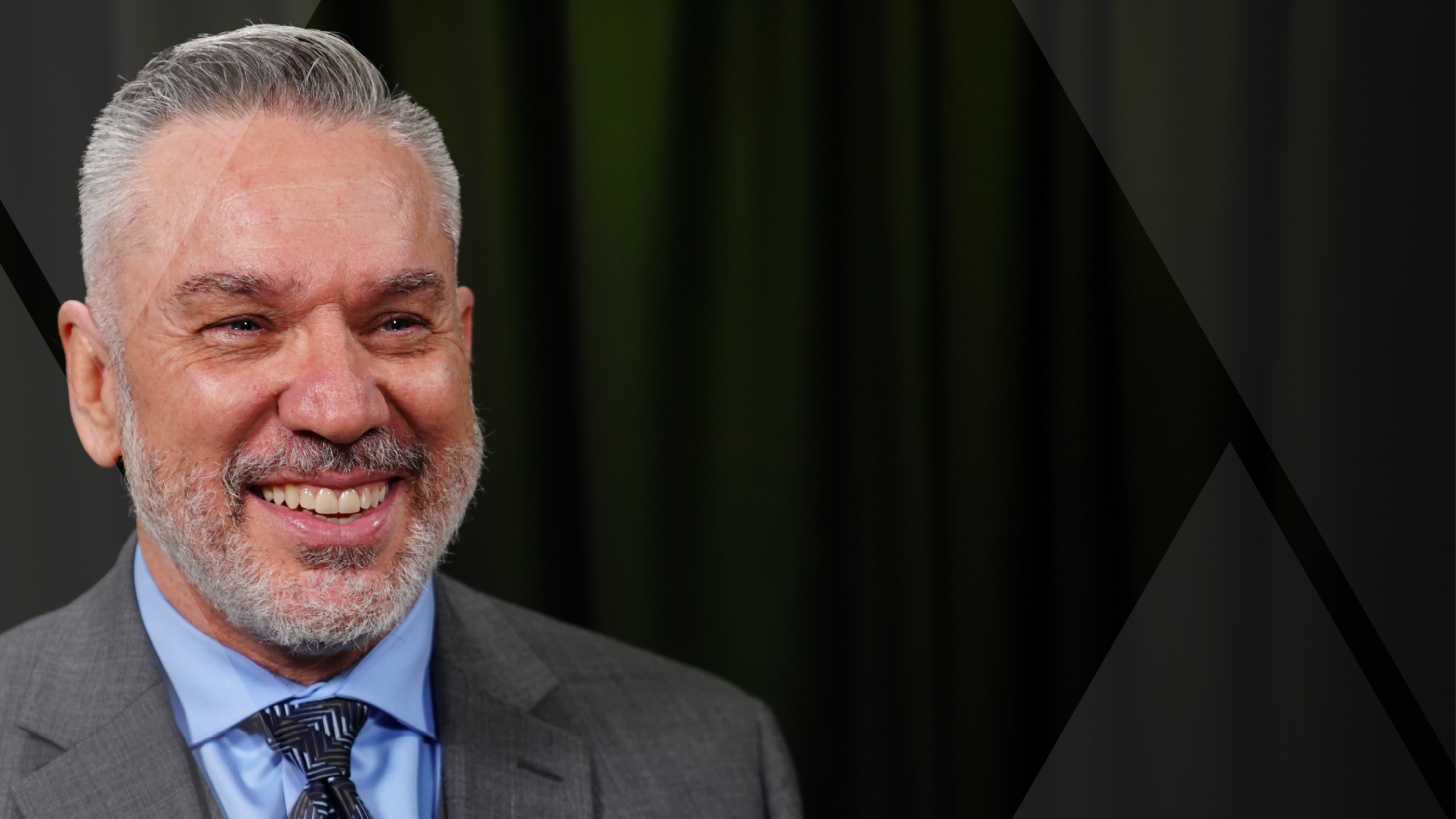
Name: Ken Howard
Title/Credentials: Marriage and Family Therapist
Background: Systems-focused therapist specializing in family dynamics, conflict resolution, and helping individuals navigate change within established family and business systems
Connect with guest: Aspen Partners (contact information below)
EPISODE HIGHLIGHTS:
[00:02:47] – Understanding Family Systems
Systems are groups of people who influence each other and are influenced by the system itself
Key quote: “The people within the system build a system. The people within the system influence the system, and the system influences them.”
[00:04:11] – The Fish in Water Analogy
Most people live their entire lives without recognizing the “water” they’re swimming in
Key quote: “You can’t work on what you can’t see” – referencing Brené Brown’s insight about clarity
[00:06:08] – Family Roles and Resistance to Change
Everyone takes on specific roles within their family system that serve the group’s needs
Key quote: “When you get healthier in a system, not everybody in that system is gonna support that because some people benefited from your unhealth”
[00:10:09] – The Crab Bucket Effect
Systems actively resist individual change, pulling people back to familiar patterns
Key quote: “The crabs on the bottom will pull the crabs on the top down and stand on them… no crabs are gonna get out of there”
[00:19:15] – The Whirlpool Metaphor
Established systems have momentum that pushes against change attempts
Key quote: “Once a system is created, it doesn’t wanna change. The created system will now work against change”
[00:22:07] – Incremental Change Strategy
Small, consistent changes are more effective than dramatic overhauls
Key quote: “If you try to hard shift from the known bad to the unknown good, the system will kick it out”
[00:23:32] – Combat vs. Conflict
Combat seeks to win and splits intimacy; conflict seeks connection and builds intimacy
Key quote: “Combat where the end goal is to win… and conflict where the end goal is intimacy”
[00:26:38] – The Neurology of Old Wounds
Our survival brain can’t tell time, making old wounds feel present when triggered
Key quote: “If I was hurt 15 years ago, and you now touch that wound for my limbic system, that’s not 15 years ago, that’s now”
[00:30:20] – Shame vs. Guilt
Shame prevents us from hearing feedback and doing repair work in relationships
Key quote: “Guilt is, I did something bad. Shame is, I’m bad because of what I did”
[00:32:15] – The Risk of Vulnerability
Change requires risking rejection but offers the possibility of deeper connection
Key quote: “Vulnerability is so risky… but the risk is also he could go, oh my gosh, I had no idea I hurt you”
RESOURCES MENTIONED:
- Book: “Attachments” by Clinton and Sibcy – Explores intersection of attachment theory and theology
- Author: Brené Brown – Referenced for insights on clarity and vulnerability
- Concept: Stephen Covey’s “Begin with the end in mind” principle
- Book: “Atomic Habits” – Referenced for incremental change methodology
KEY TAKEAWAYS:
- Family systems are invisible forces that shape our behavior, and recognizing them is the first step toward change
- Systems resist change because they benefit from existing patterns, even unhealthy ones
- Incremental change is more sustainable than dramatic overhauls when shifting family dynamics
- The goal of healthy conflict should be intimacy and connection, not winning
- Old wounds can hijack present relationships if left unhealed and unaddressed
- Shame prevents us from hearing feedback and doing the repair work necessary for healthy relationships
- Change may require risking some relationships, but it also opens possibilities for deeper connections
CALL TO ACTION:
Subscribe to the Story Lens podcast for more conversations about wealth, legacy, and purpose. If you’d like to connect with Ken, you can reach him directly at: ken@aspen-kc.com, and visit Story-One resources on navigating complex family and financial decisions.